Accelerating Transactions: How Instant Fund Movements Transform Real-Time Smartphone Game Engagement
Frankie Roth · Aug 27, 2026
Accelerating Transactions: How Instant Fund Movements Transform Real-Time Smartphone Game Engagement
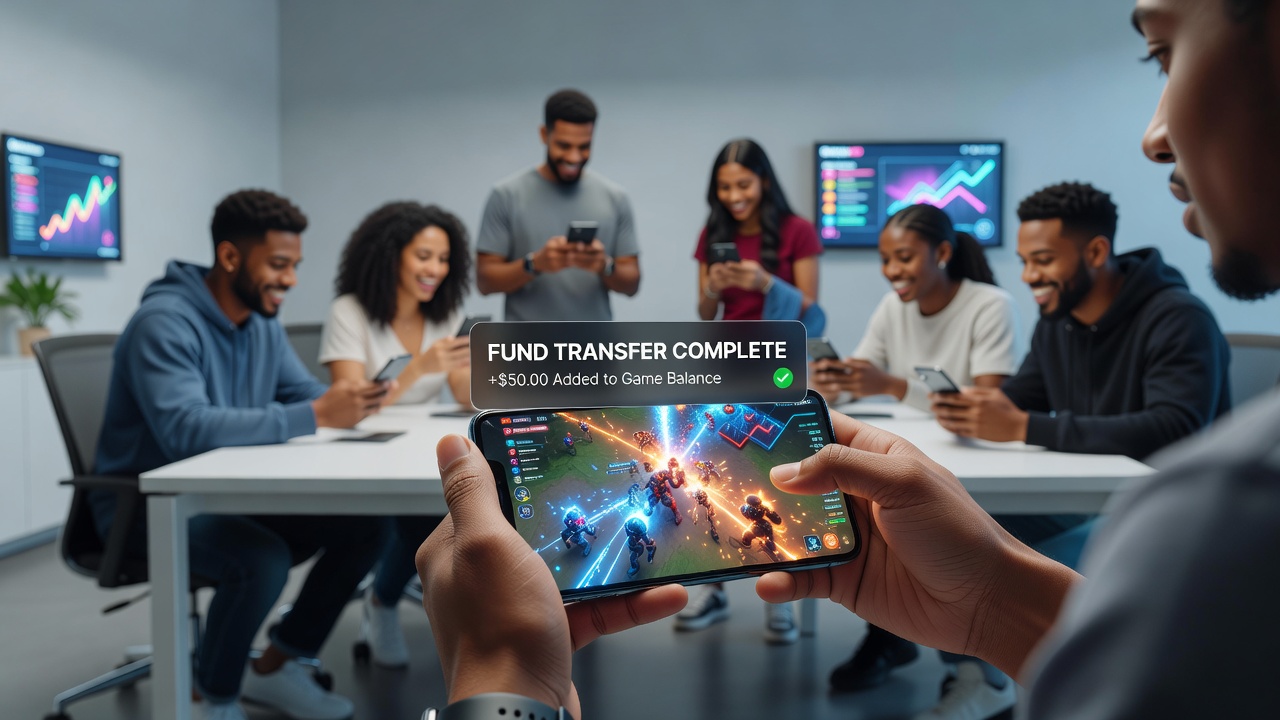
Data from multiple regions shows that faster payment processing correlates with extended session durations in real-time hosted mobile games, and observers note patterns emerging across platforms where deposits complete in seconds rather than minutes. Mobile operators have integrated systems that move funds through e-wallets and banking APIs, allowing players to join ongoing sessions without delays that once interrupted momentum. Researchers tracking usage statistics report that participation spikes occur when transaction confirmation times drop below ten seconds, creating measurable differences in how frequently individuals enter live environments.
Mechanics Behind Instant Transfers in Mobile Gaming
Real-time hosted games require synchronized player actions and continuous server connections, so payment gateways now utilize protocols that authenticate transfers through encrypted channels while the game interface remains active. Systems process requests by pulling from linked accounts and crediting balances instantaneously, which eliminates the need to exit the application or switch screens. In August 2026, industry reports highlighted that several platforms recorded higher concurrent user numbers during peak evening hours after upgrading their backend payment rails, with average deposit volumes increasing steadily month over month. Those who study transaction logs observe that players return to active tables more often when reload options appear within the same view as the game feed.
Participation Patterns Across Different Regions
European markets demonstrate distinct trends where regulatory frameworks permit rapid settlement methods, leading to documented rises in session frequency according to data compiled by the European Gaming and Betting Association. In contrast, North American operators have adopted similar technologies at varying speeds, with some states showing participation growth tied directly to the rollout of instant deposit features. One study from a Canadian research institution found that users equipped with mobile wallets completed 40 percent more game entries per week compared to those relying on traditional card processing that required additional verification steps. What's interesting here is how geographic differences in banking infrastructure influence adoption rates, yet the underlying pattern remains consistent: quicker fund movement sustains engagement levels throughout extended play periods.
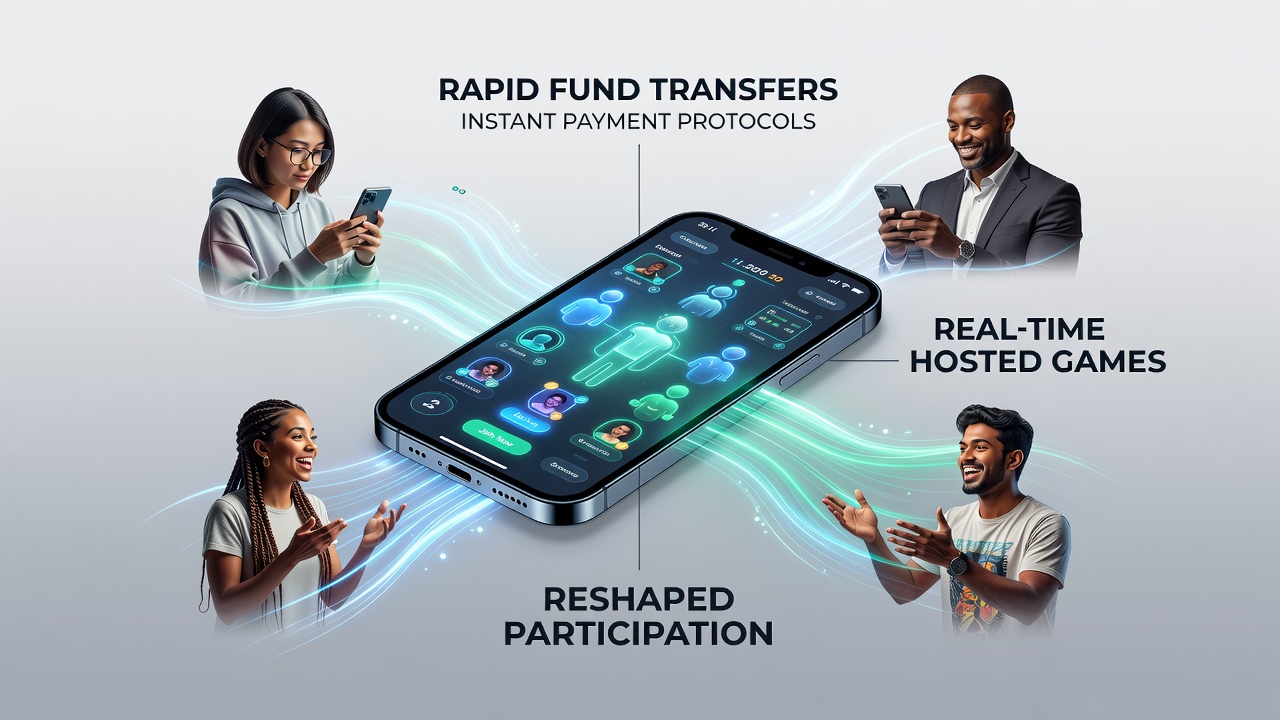
Take one developer who monitored user behavior after implementing same-second withdrawals, and the data revealed that players who cashed out mid-session often returned within minutes to rejoin tables rather than leaving the platform entirely. This cycle repeats because the friction of moving money no longer breaks concentration or forces pauses that previously led to disengagement. Academic papers examining behavioral metrics note that reduced latency in financial operations aligns with prolonged attention spans during multiplayer hosted events, particularly when games involve real-time decision points and shared outcomes.
Technological Integration and User Interface Changes
Developers embed payment modules directly into game overlays, so users trigger transfers without navigating away from the primary screen. These modules connect to third-party processors that handle verification through biometrics or token-based authentication, streamlining the flow from intent to completion. Figures released by the American Gaming Association indicate that platforms incorporating these seamless options see elevated retention metrics across smartphone user bases. And the reality is that interface design now prioritizes visibility of balance updates in real time, allowing participants to adjust strategies mid-round based on available funds without external interruptions.
Broader Effects on Game Ecosystems
Live hosted formats benefit when transaction velocity matches the pace of in-game events, creating environments where players maintain presence across multiple rounds. Observers tracking platform analytics have documented cases where integration of faster funding coincided with expanded tournament structures that accommodate larger participant pools. A university-led examination of mobile gaming data from Australia highlighted correlations between payment speed and the frequency of bonus activations, since instant deposits enable immediate qualification for time-sensitive promotions. Yet the writing's on the wall that ecosystems relying on delayed settlements face challenges in retaining users who expect continuity between financial actions and gameplay progression.
Additional reports from trade organizations in Asia point to similar shifts, where regional payment networks support cross-border transfers that keep international players active in hosted sessions regardless of time zone differences. Those who've analyzed server logs note that peak activity windows extend further into off-hours once funding barriers diminish, producing steadier revenue streams for operators while sustaining player involvement.
Conclusion
Evidence gathered from various sources demonstrates that rapid fund transfers continue to alter how individuals engage with real-time hosted games on smartphones, with participation metrics reflecting the removal of traditional delays. As systems evolve, the connection between transaction efficiency and sustained activity becomes more pronounced across markets, supported by ongoing technological refinements that keep financial operations aligned with live gameplay demands. Data trends from 2026 onward suggest these dynamics will persist as platforms refine integration methods to match user expectations for uninterrupted access.