Charting Funding Pathways That Shape Promotional Access in Smartphone Live Table Environments
Rosa Carter · Aug 8, 2026

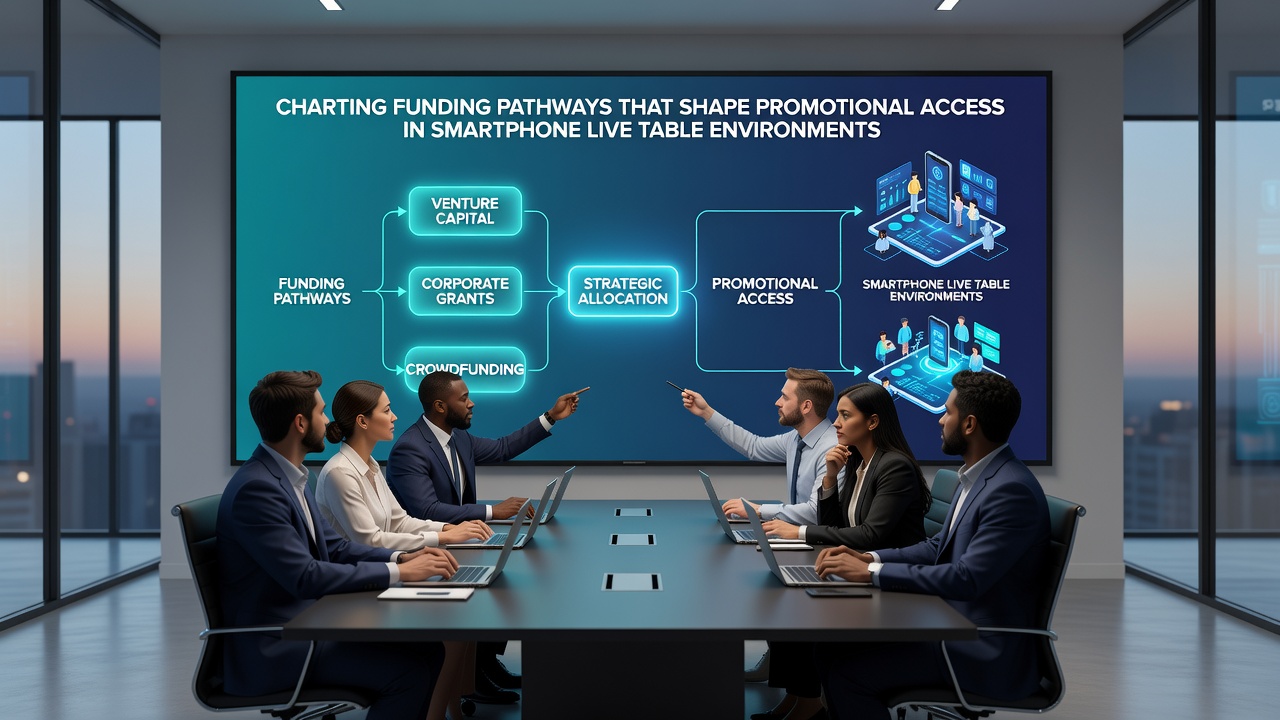
Payment infrastructures continue to shape how operators deliver incentives within smartphone-based live dealer platforms, and data from multiple jurisdictions shows clear correlations between transaction speed, source of funds, and bonus eligibility rules. Researchers at academic institutions have documented these patterns across North American and European markets, where funding channels determine not only deposit limits but also the types of promotions that become available once funds clear.Core Mechanisms Linking Funding Sources to Promotions
Bank transfers, digital wallets, and card networks each carry distinct processing timelines and fee structures that operators factor into their promotional frameworks. Studies from the International Gaming Institute indicate that faster-settling methods often unlock tiered welcome packages, whereas slower routes may restrict users to base-level offers until verification completes. Observers note that these distinctions arise because platforms must manage risk exposure while complying with local licensing conditions, and the result is a tiered access model driven directly by the funding pathway chosen.
Regional Patterns in Resource Allocation
North American state regulators, including those in New Jersey, publish periodic reports showing how approved payment processors correlate with promotional volume on mobile live table products. In contrast, Australian government data highlights stricter caps on certain funding methods that limit promotional scaling during peak periods. European operators face additional layers through anti-money laundering directives that require source-of-funds checks before larger bonuses activate, creating a staggered release structure that users encounter after initial deposits.
Impact of Processing Velocity on Access Windows
Transaction velocity determines the window during which promotional codes remain valid, and figures from industry research groups reveal that instantaneous approvals expand eligibility for time-sensitive live table incentives. Slower pathways, by comparison, push users outside those windows, reducing the effective value of available offers. Those who have examined transaction logs across multiple operators find that the difference often stems from intermediary verification steps rather than operator policy alone.
Technological Integration and Future Shifts
Blockchain-based settlement options have begun appearing in select markets, and early reports from Canadian provincial authorities suggest these routes can bypass traditional intermediary delays while maintaining compliance records. As smartphone hardware improves, operators continue testing embedded wallet solutions that integrate directly with live table interfaces, shortening the gap between funding and promotional activation. Data collected through August 2026 in several test jurisdictions shows measurable increases in promotional uptake when these integrated pathways operate without external redirects.
Industry associations such as the European Gaming and Betting Association have compiled comparative analyses that track how different capital routes affect bonus conversion rates on mobile platforms. Their findings point to consistent advantages for methods that provide real-time confirmation, allowing platforms to extend layered rewards during live sessions without additional manual reviews.
Conclusion
The interplay between funding pathways and promotional access continues to evolve alongside regulatory updates and technological advances. Data from diverse sources demonstrates that the choice of capital route directly governs which incentives become reachable and when they activate within smartphone live table environments. Operators and regulators alike monitor these dynamics to maintain balanced systems that align with licensing requirements across regions.