Charting Scorecard Trends That Steer Wallet Choices Toward Zero-Entry Live Table Access on Handheld Platforms
Finley Foster · Sep 25, 2026
Charting Scorecard Trends That Steer Wallet Choices Toward Zero-Entry Live Table Access on Handheld Platforms
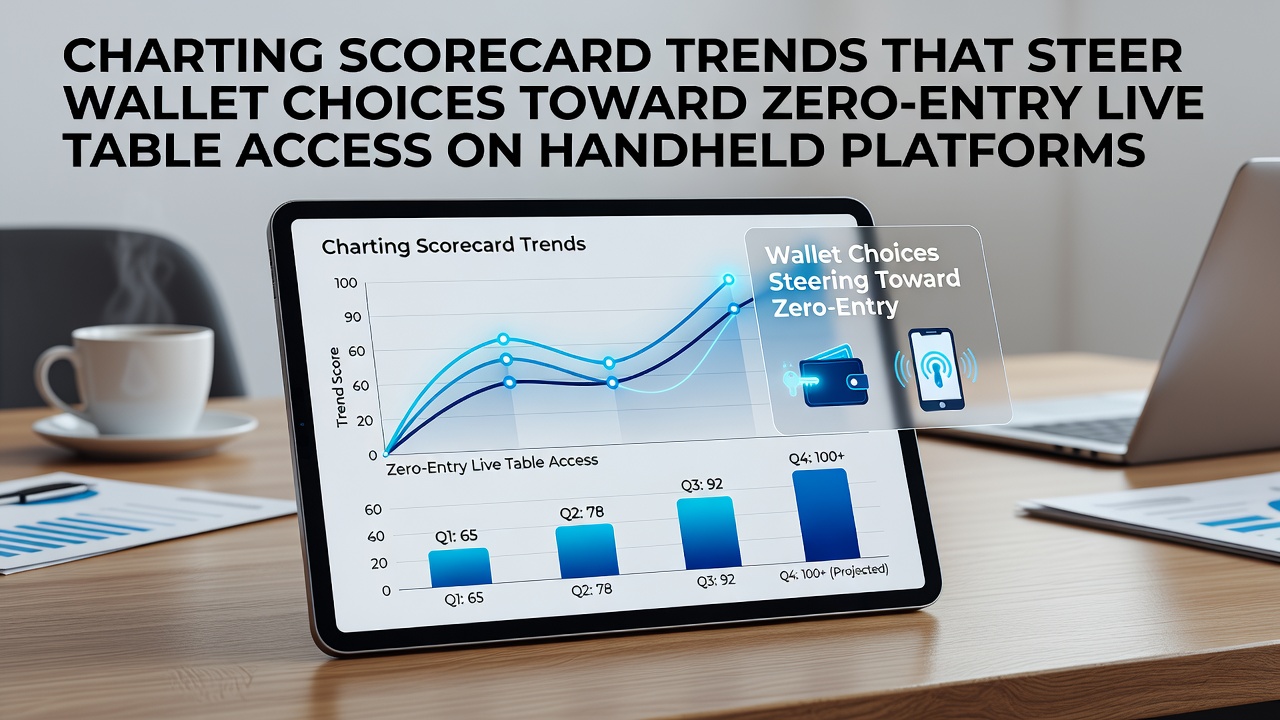
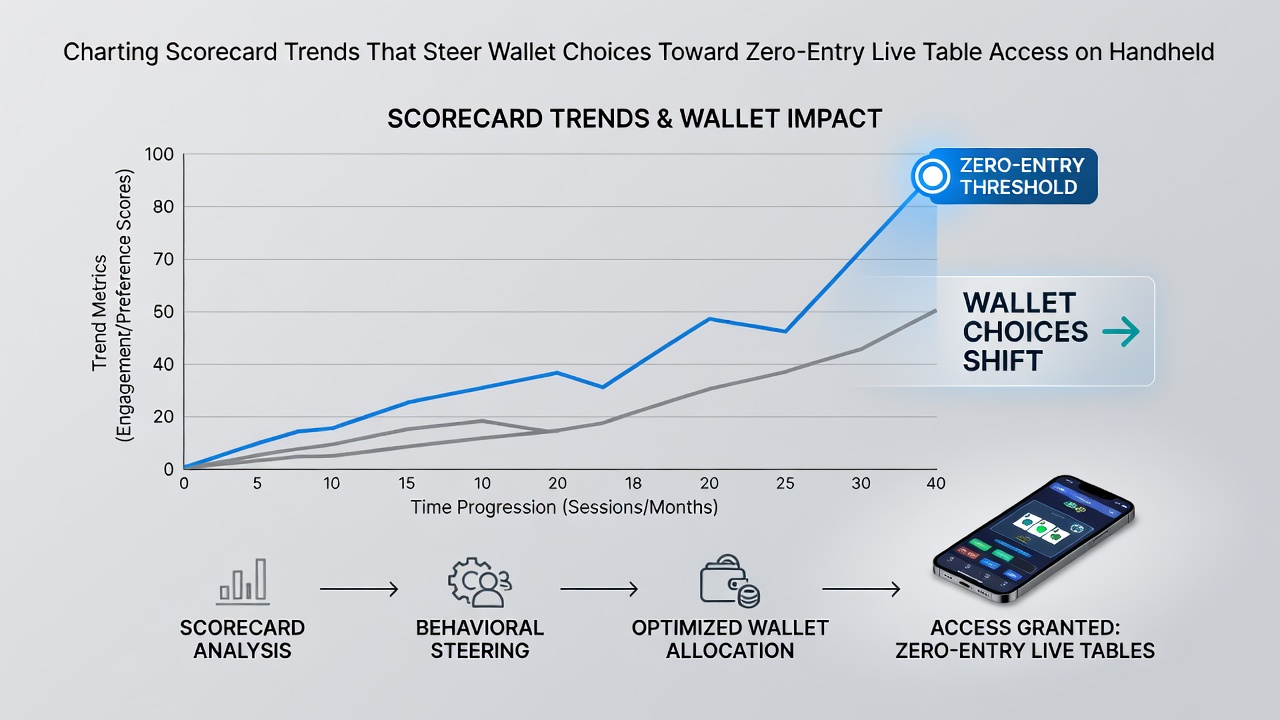
Scorecard systems on handheld platforms track player engagement metrics that increasingly direct payment preferences toward options supporting zero-entry live table sessions, and these patterns emerge from aggregated data on session starts, retention rates, and transaction speeds across mobile networks.
Understanding Scorecard Metrics in Mobile Casino Environments
Scorecards compile variables such as average session duration, entry frequency, and preferred access methods while operators analyze how these figures correlate with wallet selections that enable immediate entry to live dealer tables without initial deposits, and researchers at institutions like the University of Nevada Las Vegas have documented shifts where users favor e-wallets that reduce friction in these zero-entry scenarios.
Data from multiple regions shows handheld devices now account for over 70 percent of live table interactions in monitored markets, with scorecard rankings highlighting payment methods that process verifications in under three seconds as top performers, and this ranking system steers choices because higher scores reward seamless connectivity between wallet apps and game interfaces.
Payment Method Shifts Driven by Live Table Accessibility
Wallet providers have adjusted features to match scorecard criteria that prioritize instant funding for live tables, and statistics from the Australian Gambling Research Centre indicate a 28 percent rise in e-wallet usage for mobile live games between 2024 and 2026, particularly those supporting zero-entry protocols that bypass traditional deposit hurdles.
Observers note that scorecards assign bonus points to transactions completed via digital wallets compatible with biometric logins, which in turn influences players to switch from card-based methods to app-integrated solutions, and this transition appears most pronounced on platforms where live table access begins without minimum balance requirements.
Regional Data Patterns Emerging in September 2026
Market reports released around September 2026 from Canadian provincial regulators reveal similar scorecard-driven trends, with Ontario data indicating that zero-entry live tables on mobile captured 45 percent of new session starts after payment integrations improved, and these figures connect directly to wallet choices that align with high-ranking scorecard categories for speed and reliability.
European operators outside the UK have reported parallel movements where scorecards elevate certain digital payment services, leading users toward options that facilitate direct table entry on handheld devices, while academic papers from the University of Sydney highlight how such systems reduce abandonment rates during the initial access phase.
Technical Factors Behind Wallet and Table Integration
Developers design APIs that sync scorecard updates with wallet balances in real time, allowing players to maintain eligibility for zero-entry live tables through continuous low-friction transactions, and this technical linkage explains why certain payment providers gain prominence on mobile leaderboards.
Case studies from North American platforms demonstrate that wallets supporting multi-currency handling score higher when live table access remains deposit-free, prompting broader adoption among users who track their own performance metrics through integrated dashboards.
Future Scorecard Evolutions and Platform Responses
Platform updates scheduled for late 2026 aim to refine scorecard algorithms by incorporating velocity metrics from wallet-to-table transfers, and preliminary tests show these adjustments further consolidate preferences for services that guarantee sub-second confirmations during live sessions.
Industry associations in various jurisdictions continue to publish comparative analyses that map these scorecard evolutions against wallet market shares, providing operators with benchmarks for optimizing zero-entry features on handheld systems.
Conclusion
Scorecard trends continue to shape wallet selections by quantifying the advantages of rapid, deposit-free access to live tables on mobile platforms, with data from multiple international sources confirming measurable shifts in user behavior tied to these ranking systems, and ongoing refinements in September 2026 and beyond suggest these patterns will persist as integration technologies advance.