How Deposit Channels Influence Reward Utilization in Online Blackjack and Roulette Environments
Finley Foster · Nov 6, 2026
How Deposit Channels Influence Reward Utilization in Online Blackjack and Roulette Environments
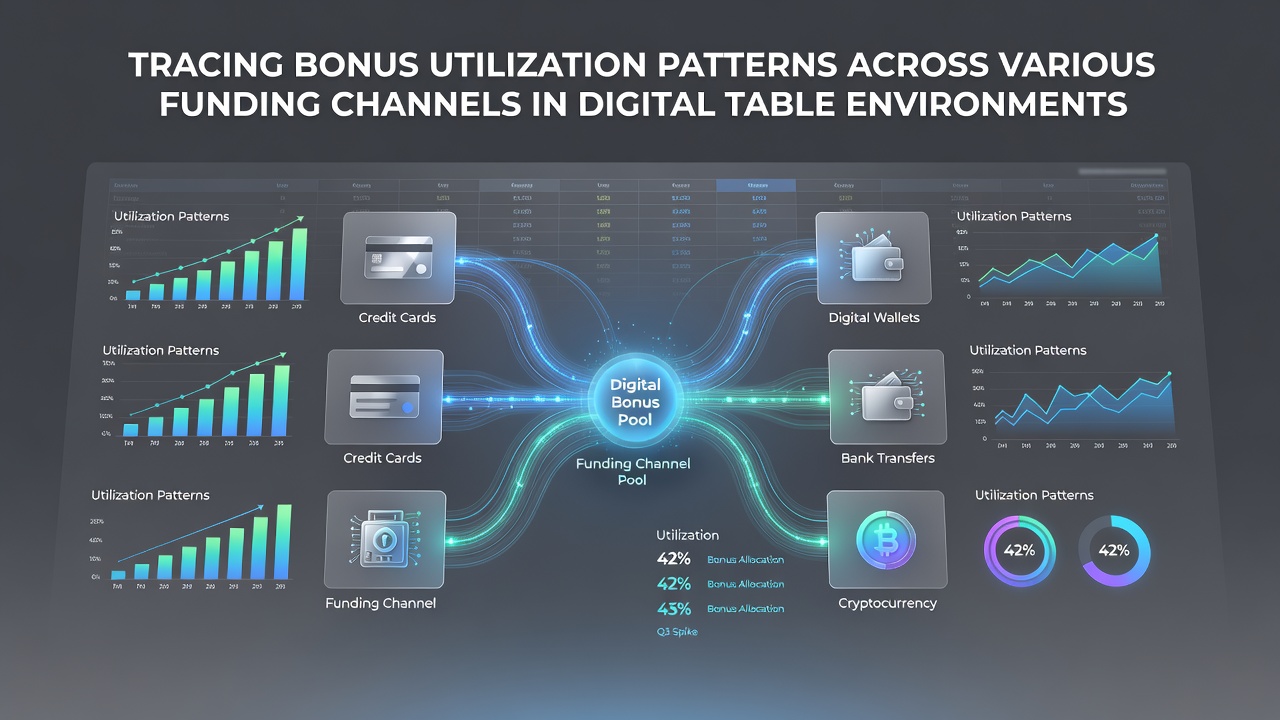
Digital table environments continue to expand as players engage with blackjack, roulette, and poker variants through various funding channels, and researchers track how bonuses flow through those routes with increasing precision. Observers note that payment methods such as e-wallets, bank transfers, prepaid cards, and cryptocurrency services create distinct patterns in how welcome offers and ongoing rewards get redeemed during live dealer sessions, while data from multiple jurisdictions reveals measurable differences in velocity and retention rates.
Payment Method Variations and Their Impact
Funding channels affect bonus utilization because each option carries its own processing speed, fee structure, and verification requirements that either accelerate or slow reward deployment. E-wallet transactions often complete within seconds, allowing players to claim and apply bonuses almost immediately to table games, whereas traditional bank wires introduce delays of one to three business days that shift redemption timing into later periods. Prepaid vouchers and cryptocurrency transfers occupy a middle ground, providing near-instant confirmation yet adding layers of address verification that some operators enforce before bonus codes activate.
Studies from the Nevada Gaming Control Board show that instant channels correlate with higher first-session bonus usage in digital blackjack rooms, while slower methods link to lower overall redemption volumes across monitored accounts. Those patterns hold across operator datasets collected through 2025 and into late 2026, when regulatory updates scheduled for November 2026 are expected to standardize reporting on transaction velocity for table game bonuses.
Regional Data Trends in Digital Tables
Across North American and European markets, analysts compile figures that separate bonus activity by funding source and game type. In Canadian provinces operating regulated iGaming platforms, e-wallet deposits account for roughly 45 percent of bonus-funded roulette wagers, while bank transfers represent only 18 percent according to reports issued by the Alcohol and Gaming Commission of Ontario. Australian operators under the Interactive Gambling Act report similar splits, with cryptocurrency deposits rising sharply in 2026 as platforms add support for stablecoins that bypass traditional banking delays.
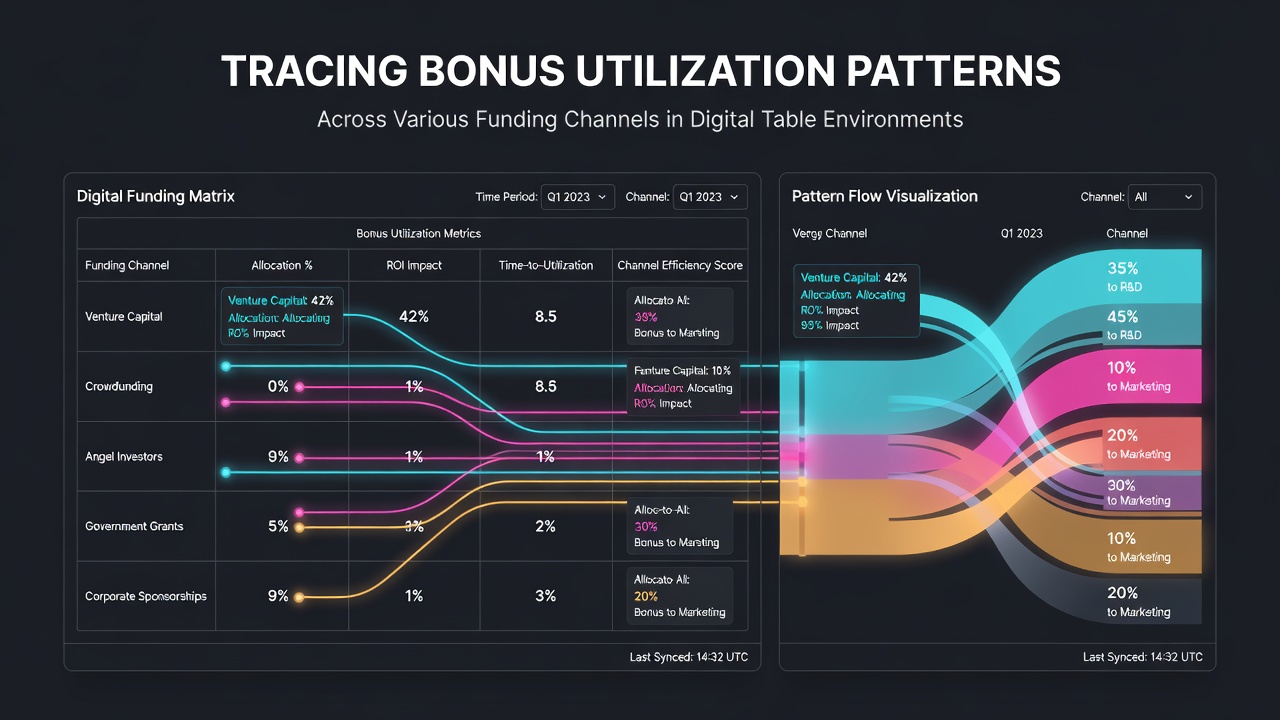
One industry report prepared by the American Gaming Association highlights that mobile wallet users in digital table sections redeem an average of 72 percent of their available bonus funds within the first 48 hours, compared with 51 percent for credit card users who encounter additional authorization steps. These differences emerge because mobile wallets integrate directly with operator APIs, reducing friction between deposit confirmation and game entry, whereas card processors route transactions through multiple intermediaries that extend the window before play can begin.
Tracking Mechanisms and Operator Practices
Operators deploy tracking systems that log each funding channel against bonus codes, wager requirements, and game categories to identify which routes produce sustained table play. Software platforms tag deposits at the moment of receipt, then monitor whether those funds convert into live dealer sessions or remain idle until expiration. This granular tagging allows compliance teams to generate reports that segment utilization by method, revealing, for instance, that prepaid card bonuses in roulette environments carry shorter average play durations than those attached to e-wallet deposits.
Research compiled by the University of Nevada, Las Vegas International Gaming Institute demonstrates that operators who adjust bonus structures according to channel data achieve more consistent redemption rates across their player base. Adjustments include tailoring wagering multipliers to match the typical speed of each payment type, so that slower funding channels receive slightly relaxed conditions that encourage completion rather than abandonment.
Future Developments Expected in Late 2026
Regulatory calendars indicate that November 2026 will bring new disclosure rules in several jurisdictions requiring operators to publish anonymized statistics on bonus utilization broken down by deposit method. Those requirements aim to increase transparency around how funding channels shape player behavior in digital table settings without mandating changes to existing bonus offerings. Industry groups anticipate that the additional data will help identify whether certain channels systematically underperform and whether targeted incentives can balance participation across all available funding routes.
Conclusion
Patterns emerging from current datasets illustrate clear connections between funding channel characteristics and the speed plus volume of bonus utilization in digital table environments. E-wallet and cryptocurrency routes consistently show faster uptake, while bank transfers and certain card options lag behind in redemption metrics. As operators refine their tracking tools and jurisdictions prepare updated reporting standards for November 2026, the industry gains clearer visibility into how payment infrastructure shapes reward engagement across blackjack, roulette, and related table offerings. Continued analysis of these flows supports more precise alignment between bonus design and the practical realities of each deposit method.