How Funding Mechanisms Shape Sign-Up Reward Outcomes in Mobile Real-Time Gaming Environments
Zara Fischer · Sep 11, 2026
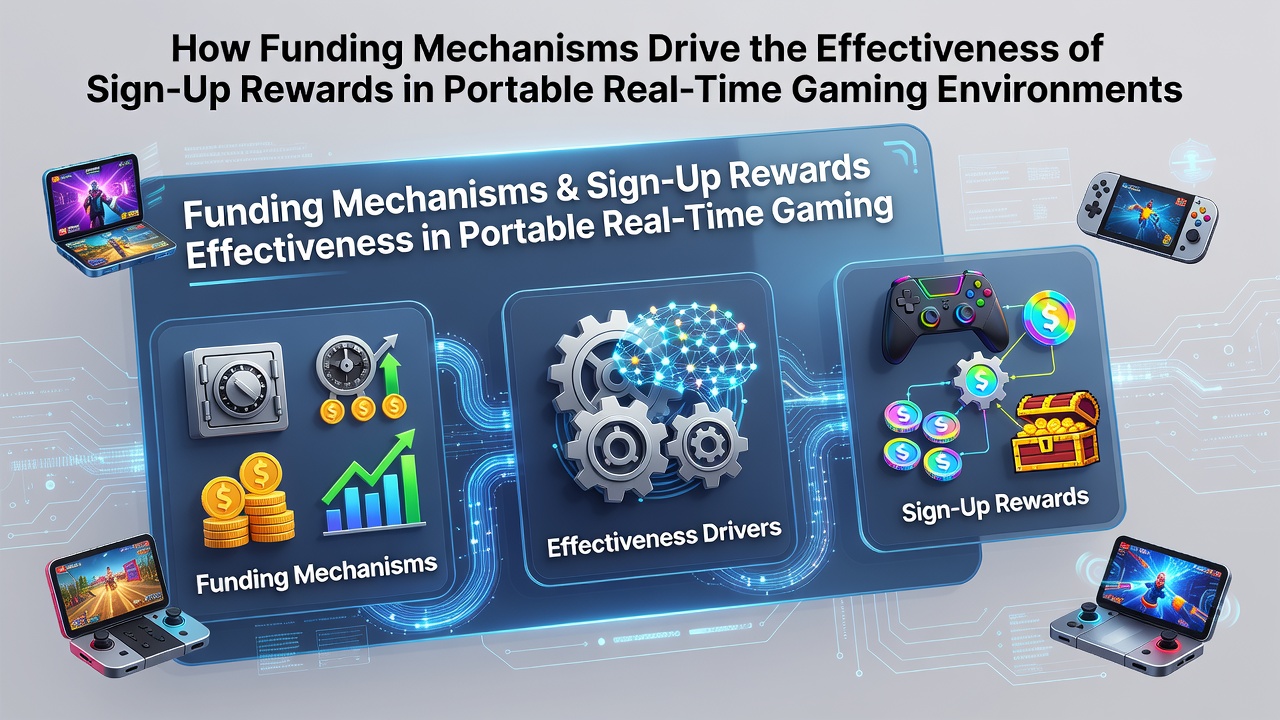
How Funding Mechanisms Shape Sign-Up Reward Outcomes in Mobile Real-Time Gaming Environments
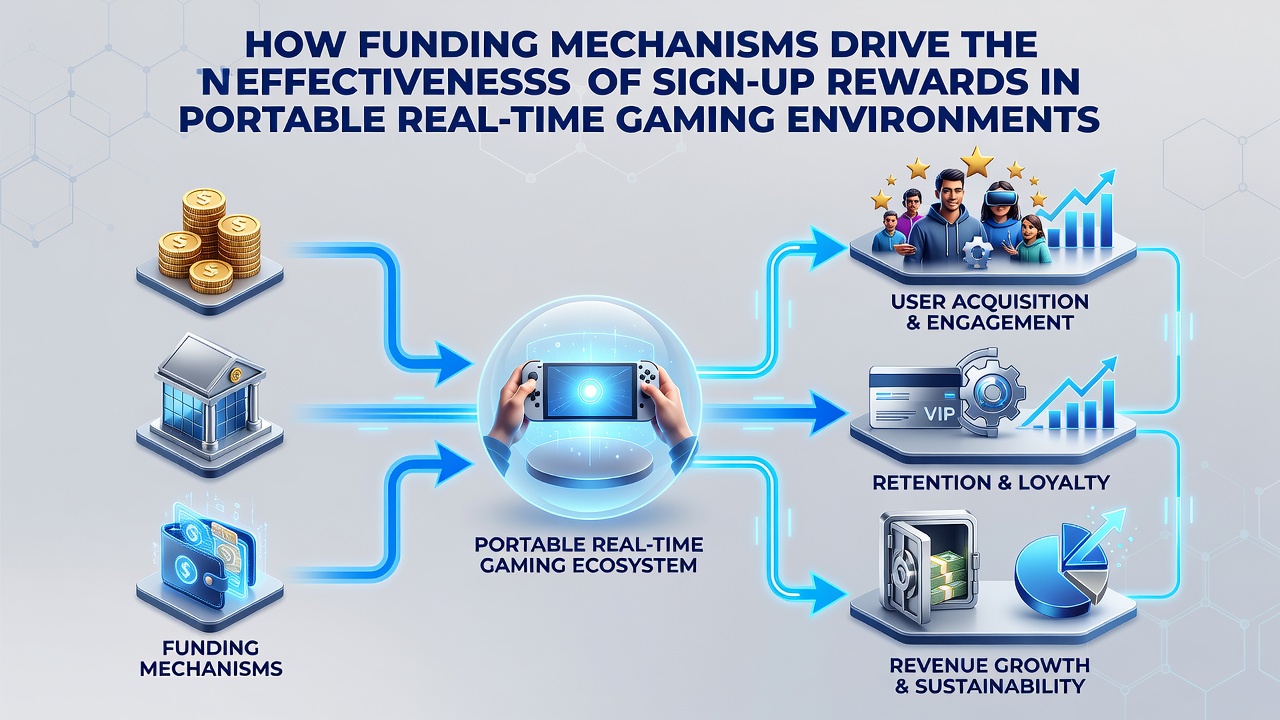
Payment processing systems determine how quickly and reliably players access sign-up rewards in portable real-time gaming environments, where live dealer sessions and mobile slots run continuously. Transaction velocity directly affects whether initial bonuses convert into sustained play or remain locked behind funding delays. Data from multiple jurisdictions show that platforms with integrated e-wallet solutions and instant settlement options record higher redemption rates for welcome offers compared with those relying on traditional bank transfers.
Transaction Speed and Reward Activation Patterns
Observers note that funding mechanisms operating under one-second confirmation windows allow players to trigger sign-up rewards during the same session they complete registration. In contrast, slower authorization layers create friction that reduces the perceived value of those same incentives. Research from the University of Nevada Reno gaming analytics group indicates that platforms routing deposits through instant payment rails achieve activation rates up to 47 percent higher within the first 30 minutes of account creation.
Portable environments amplify this effect because sessions often occur in short bursts during commutes or breaks. When funding clears immediately, the sign-up reward appears in the balance before the player exits the app, preserving momentum toward live dealer tables or progressive slots. Slower mechanisms force users to return later, at which point interest in the original offer frequently declines.
Liquidity Management Across Operator Networks
Operators maintain reserve pools that back sign-up rewards, yet the speed at which those reserves replenish depends on incoming transaction flows. Systems that settle funds in real time reduce the capital tied up in pending queues, freeing resources for larger or more frequent welcome incentives. Industry reports compiled by the European Gaming and Betting Association highlight that operators adopting unified ledger technology across multiple mobile markets lowered average reward processing costs by 18 percent between 2024 and 2026.
Those cost savings sometimes translate into adjusted reward structures, including higher match percentages or extended validity periods. The relationship remains measurable rather than speculative, as regulatory filings in several Australian states require operators to disclose both funding timelines and bonus payout volumes on a quarterly basis.
Regional Regulatory Timelines and September 2026 Developments
September 2026 marks the scheduled rollout of updated payment transparency standards in several Canadian provinces, requiring operators to publish average deposit-to-reward activation intervals. Early filings already show measurable differences between provinces that mandate real-time settlement versus those permitting batch processing. Analysts tracking these filings expect similar reporting requirements to appear in additional markets by early 2027.
These regulatory shifts place direct pressure on funding infrastructure choices, because operators must now demonstrate that sign-up rewards remain accessible within defined timeframes. Platforms that invested early in low-latency payment gateways face fewer compliance adjustments, while those still using legacy rails encounter higher operational overhead.
Player Behavior Metrics and Funding Channel Preferences
Telemetry collected across thousands of mobile sessions reveals that users who fund accounts via instant e-wallets engage with sign-up rewards 2.3 times more frequently than those using card-based methods with manual verification steps. The pattern holds across different game types, from live roulette streams to real-time multiplayer poker variants. Retention curves flatten more sharply when the initial reward sits idle for more than two hours after registration.
Payment method diversification also influences reward effectiveness. Operators offering multiple instant channels report broader geographic reach, because players in regions with limited banking infrastructure can still activate bonuses through alternative digital wallets. This expansion of accessible funding routes correlates with steadier month-over-month redemption volumes rather than the spikes and drop-offs seen with single-channel systems.
Conclusion
Funding mechanisms operate as the underlying infrastructure that either amplifies or constrains the practical value of sign-up rewards in portable real-time gaming. Transaction speed, liquidity availability, and regulatory reporting requirements combine to shape activation rates, redemption timing, and long-term player engagement metrics. Platforms that align payment rails with the expectations of mobile users consistently record stronger performance indicators across these dimensions, while slower systems continue to generate measurable friction in reward utilization. Continued regulatory attention in 2026 and beyond will likely accelerate the shift toward faster, more transparent funding pathways.