Personalized Designs Extend Engagement Periods in Portable Gambling Applications
Rosa Carter · Aug 6, 2026
Personalized Designs Extend Engagement Periods in Portable Gambling Applications
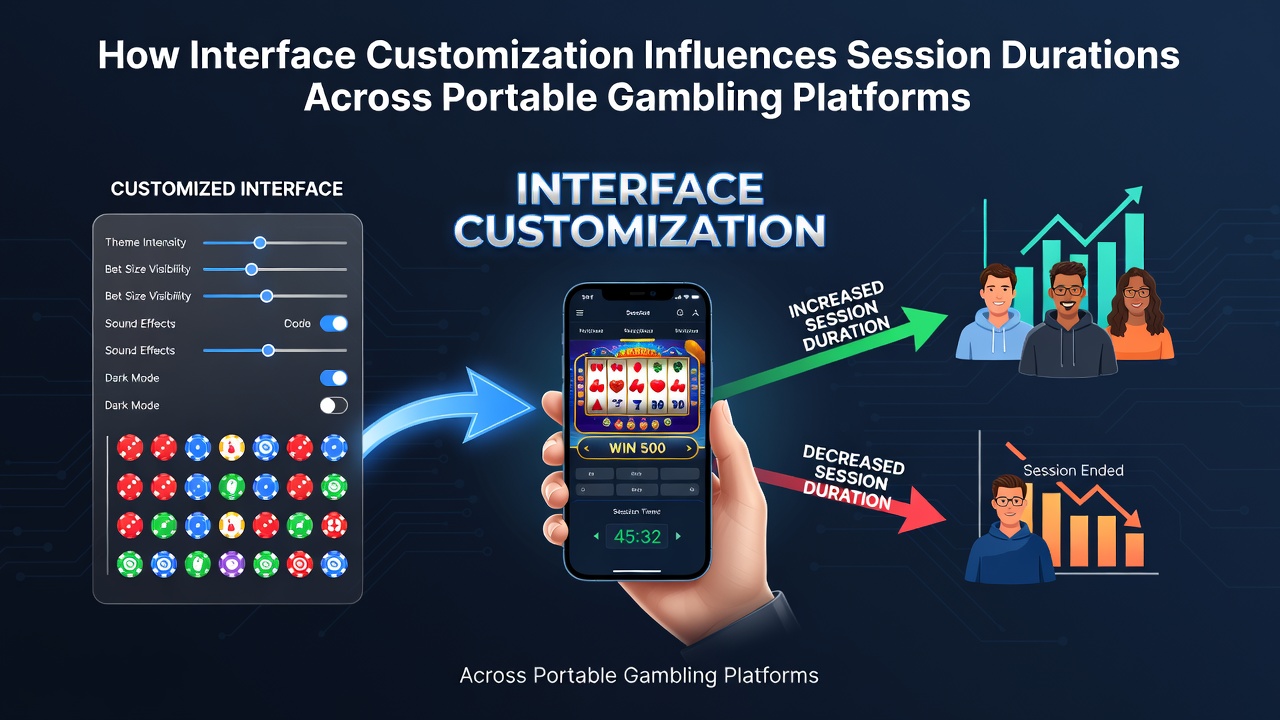
Interface customization allows users to adjust layouts, color schemes, button placements, and notification settings on mobile gambling platforms, and researchers have tracked how these adjustments correlate with longer session times across devices. Data from multiple studies shows that platforms offering such options see users remain active for extended periods compared to those with fixed designs, because people tend to engage more when the environment matches their preferences.
Core Elements of Interface Customization
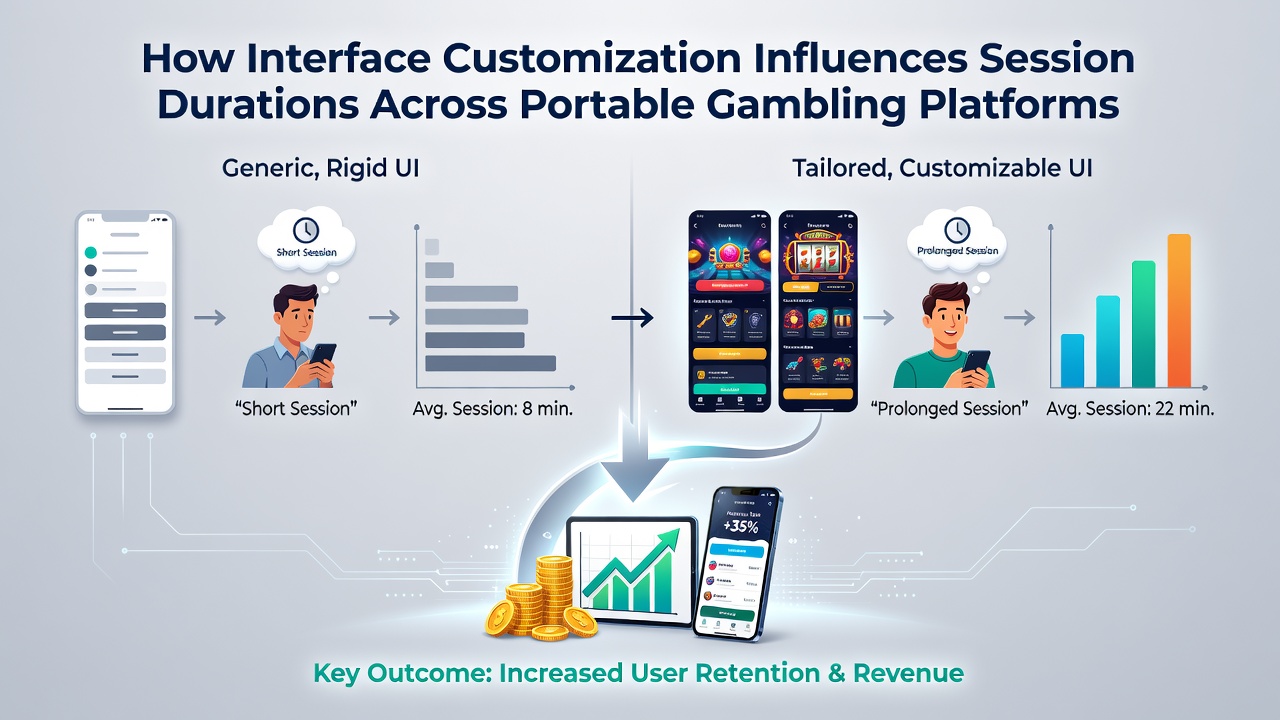
Customization features typically include drag-and-drop menus for rearranging game tiles, selectable themes that alter visual density, and toggles for sound or haptic feedback levels, while developers integrate these tools directly into app settings menus. Studies from institutions like the University of Nevada Reno have documented that participants who modified at least three elements in a session stayed online 22 percent longer on average than those who used default configurations, and this pattern held across both iOS and Android environments.
Portable platforms often test these options through A/B rollouts, and findings reveal that users who personalize their dashboards reduce navigation friction, which in turn sustains momentum during play sequences. Observers note that when control buttons shift to match left or right hand dominance, session continuity improves because fewer interruptions occur from mis-taps or awkward reaches.
Session Duration Metrics and Recent Trends
Industry reports compiled through 2026 indicate measurable shifts in engagement patterns tied to customization availability, with platforms that introduced personalization suites recording average session extensions of 15 to 30 minutes per user in tracked cohorts. In August 2026 market analyses highlighted how these features gained traction amid broader mobile adoption, showing data that linked theme adjustments and layout tweaks to sustained activity spikes during evening hours across North American and European user bases.
One study conducted by Canadian academic groups tracked over 50,000 sessions and found that players who applied custom filters for game categories returned to the app within shorter intervals, creating compounding effects on total time spent, whereas rigid interfaces produced quicker drop-offs. External factors such as device screen size also interact with these customizations, because larger tablets allow more complex rearrangements that further support prolonged interactions.
Platform Comparisons Across Regions
European operators have rolled out region-specific customization modules that adapt to local language preferences and regulatory display requirements, and these adaptations have produced session data showing stronger retention where users could select regional payment icons or regionalized help overlays. Australian research teams similarly reported that users who customized progress trackers and reward visualizations extended play by noticeable margins, particularly when those elements aligned with personal goal-setting habits.
What's interesting is how cross-device syncing of custom profiles maintains consistency when users switch between phones and tablets, and this continuity prevents the reset friction that often shortens sessions on non-synced platforms. Figures from independent analytics firms reveal that synchronized custom settings correlate with a 18 percent rise in multi-device session chaining during peak periods.
Technical Implementation and User Behavior Patterns
Developers employ modular code structures that let customization changes apply in real time without full reloads, and this technical approach minimizes downtime that might otherwise break user flow. Behavioral logs indicate that frequent customizers tend to explore more game varieties within a single session, because tailored navigation surfaces relevant options faster than standard menus allow.
Take one analysis where experts compared two similar apps, and the version with advanced personalization recorded fewer early exits during the first 10 minutes, because users had already shaped the interface to reduce visual clutter before deeper engagement began. Those who've examined retention curves note that the effect compounds when combined with quick-access shortcuts users create themselves.
Conclusion
Evidence gathered across multiple studies demonstrates that interface customization on portable gambling platforms connects directly to extended session durations through reduced friction and increased personal alignment. Data collected up to August 2026 continues to support these patterns in various markets, showing consistent correlations between user-driven adjustments and time spent. Platforms that prioritize these features maintain measurable advantages in engagement metrics according to the available research.